Latest DevOps & Cloud News – 27 August 2026
📰 Top DevOps & Cloud Articles
Anthropic’s Claude now has a browser of its own
Source : The New Stack
Anthropic is giving Claude its own browser. As the company announced on Wednesday, Claude on the desktop (Mac, Windows, and
The post Anthropic’s Claude now has a browser of its own appeared first on The New Stack.
X sent Nitter a cease-and-desist. Then it went after the source code.
Source : The New Stack
When Elon Musk’s X sent cease-and-desist letters demanding that Nitter — an open-source alternative front end for the social media
The post X sent Nitter a cease-and-desist. Then it went after the source code. appeared first on The New Stack.
OpenAI’s Astra can do a researcher’s week of work. That’s the problem.
Source : The New Stack
OpenAI’s unreleased foundation model, codenamed Astra, is already working directly inside the company’s internal codebase, taking on experimental work that
The post OpenAI’s Astra can do a researcher’s week of work. That’s the problem. appeared first on The New Stack.
Tricentis Preps Wave of Additional AI Testing Capabilities
Source : DevOps.com
The Missing Runtime for Long-Running AI Agents
Source : DevOps.com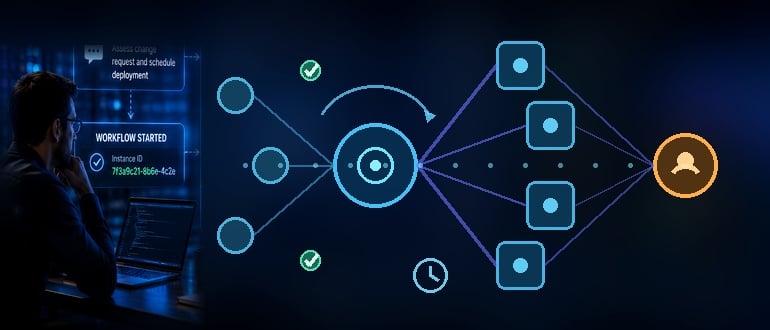
Automated Diagnosis Isn’t Automated Understanding: What Postmortems Teach Us About Building Trustworthy Incident AI
Source : DevOps.com
Prompt Injection in Cloud-Native AI Is Now an Access Control Problem
Source : Container Journal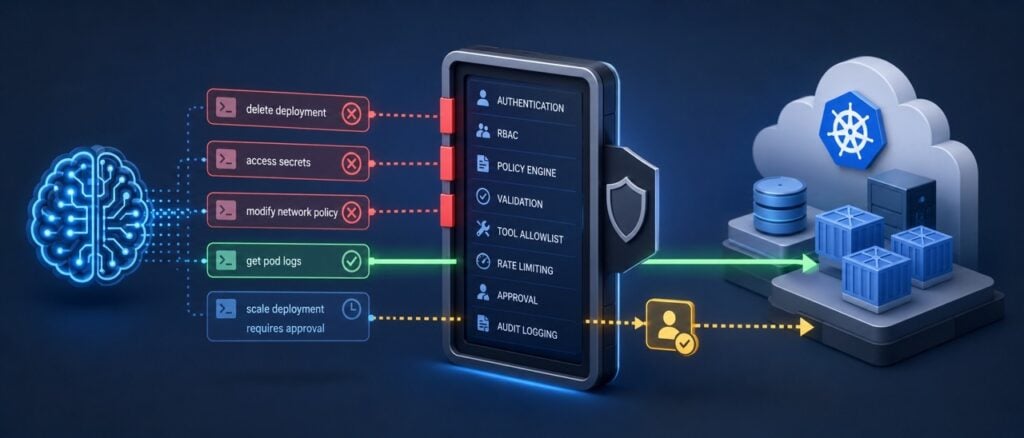
For a long time, prompt injection was treated like other model behavior problems, such as jailbreaks or strange responses. The usual fix was to improve the system prompt, add stronger filters, or tighten the model’s instructions. That approach worked reasonably well when the main risk was an AI generating an
The post Prompt Injection in Cloud-Native AI Is Now an Access Control Problem appeared first on Autoscaling AI Workloads on Kubernetes With KEDA and What it Means for Agentic Systems

KEDA can scale Kubernetes AI workloads on real demand signals such as queue depth, helping model-serving and agent workloads respond faster while reducing idle compute costs.
The post Autoscaling AI Workloads on Kubernetes With KEDA and What it Means for Agentic Systems appeared first on Cloud Native Now.
Rearchitecting Legacy Systems for Real-Time AI: Practical Patterns for Cloud-Native Migration
Source : Container Journal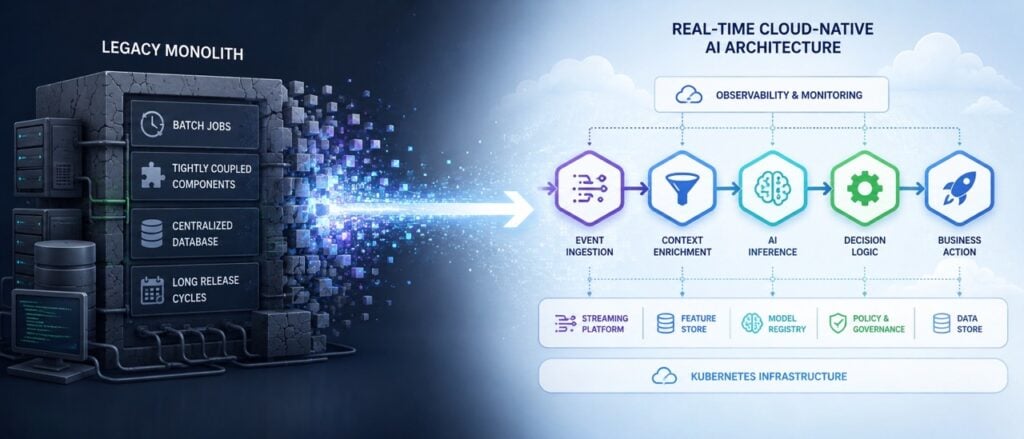
Artificial intelligence is changing what enterprises expect from software platforms. Systems that once processed transactions in batches are increasingly expected to evaluate events, apply intelligence and respond in near real time. The hardest part is often not the model itself, but the platform around it. Many established applications were designed
The post Rearchitecting Legacy Systems fo
FBI Disrupts China-Linked QTFY Infrastructure Used to Steal Data From U.S. Organizations
Source : The Hacker NewsThe U.S. Department of Justice (DoJ) on Wednesday announced the disruption of two hacking platforms named QScan and QTRouter operated by Chinese threat actors to target critical infrastructure and other sensitive networks in the country. The activity has been attributed to a Chinese state-sponsored group known as QTFY, employed by Nanjing Xinjiuwei Network Technology Company (南京鑫玖维网络科技有限公司).&
Nimbus Manticore Expands Toolset With TWOSTROKE-Like Backdoor and SSH Tunneler
Source : The Hacker NewsCybersecurity researchers have discovered additional infrastructure and previously undocumented malware associated with Nimbus Manticore, an Iranian state-sponsored hacking group affiliated with the Islamic Revolutionary Guard Corps (IRGC). Group-IB, in a new analysis published today, described the cyber espionage actor as among the most active Iranian APT groups in 2026. Nimbus Manticore (aka
NovaCookies Campaigns Abuse Genuine Docusign Notifications to Steal Microsoft 365 Sessions
Source : The Hacker NewsCybersecurity researchers have disclosed details of a new adversary-in-the-middle (AitM) phishing toolkit called NovaCookies that's used as a proxy to redirect Microsoft 365 sign-ins, while capturing authenticated sessions in the process. In a report shared with The Hacker News ahead of publication, Island characterized the $320/month service as a subscription-based phishing platform that


